


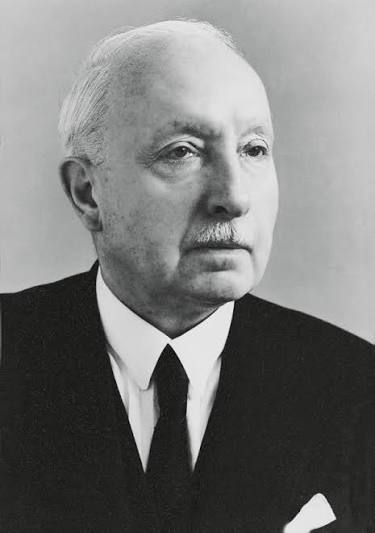
1905
The invention
Swiss engineer Alfred Büchi patents the idea of using exhaust gases to drive a compressor that forces air into the engine.
From the invention of the turbocharger in 1905 to the electric turbo – the history of the turbo on one timeline.
Click the timeline to pause it or start it again.
1905
Swiss engineer Alfred Büchi patents the idea of using exhaust gases to drive a compressor that forces air into the engine.

1918
Sanford Moss of General Electric demonstrates a turbocharger on a Liberty V12 aircraft engine. The technology lets aircraft keep their power at high altitude.

1925
Büchi proves the technology in practice – a turbocharged diesel engine delivers over 40% more power. Turbochargers soon find their way into ships and locomotives.
1938
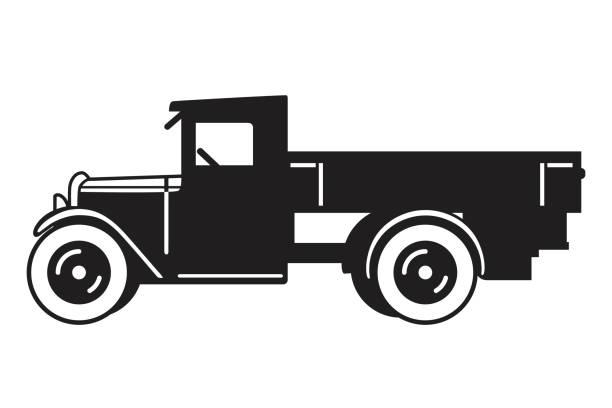
The Swiss company Saurer fits a turbocharger to a truck diesel engine – one of the first successful uses of the technology in road transport.
1940s
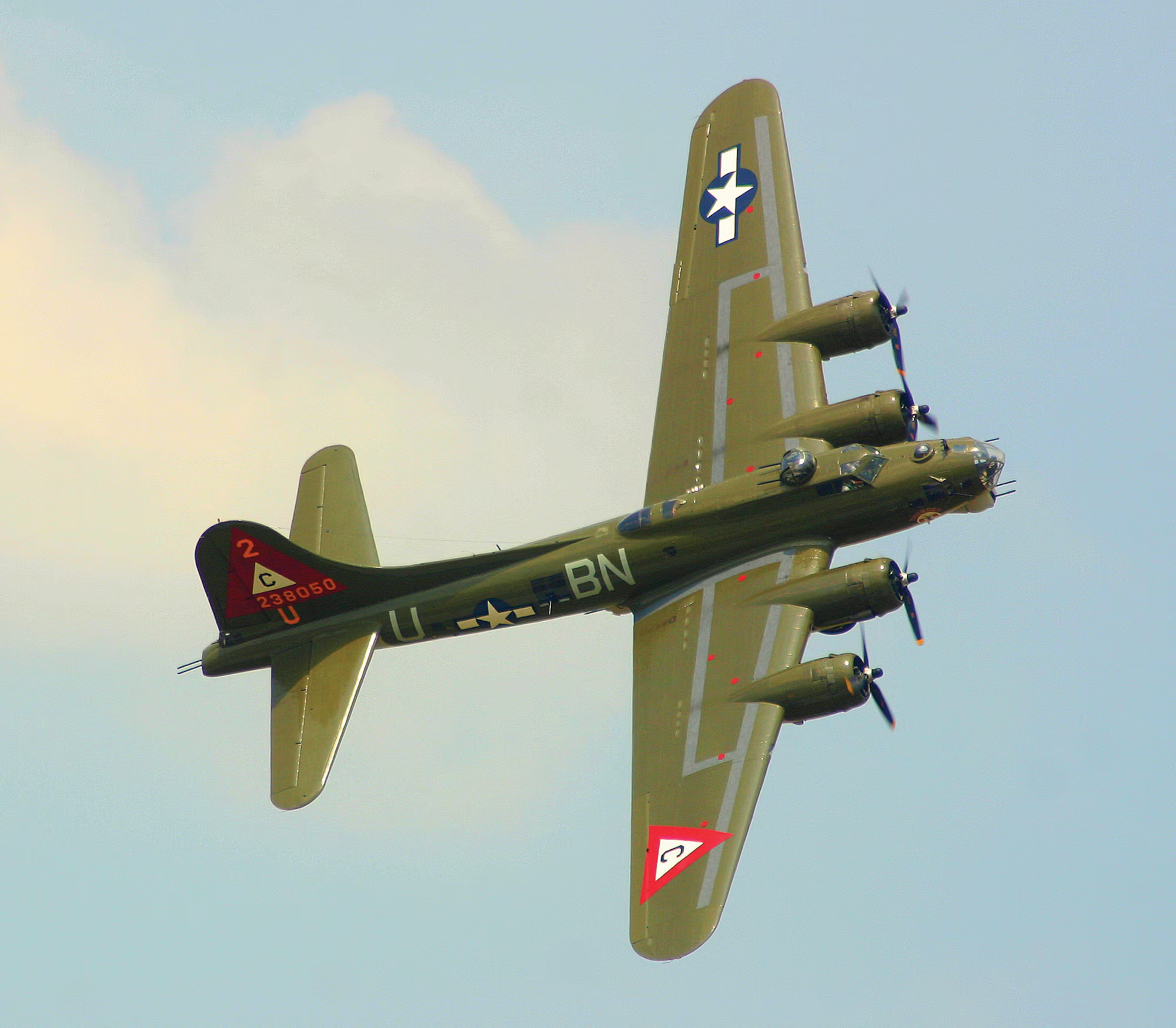
Aircraft such as the B-17 and P-38 use General Electric turbochargers to keep their engines’ power at high altitude.
1952
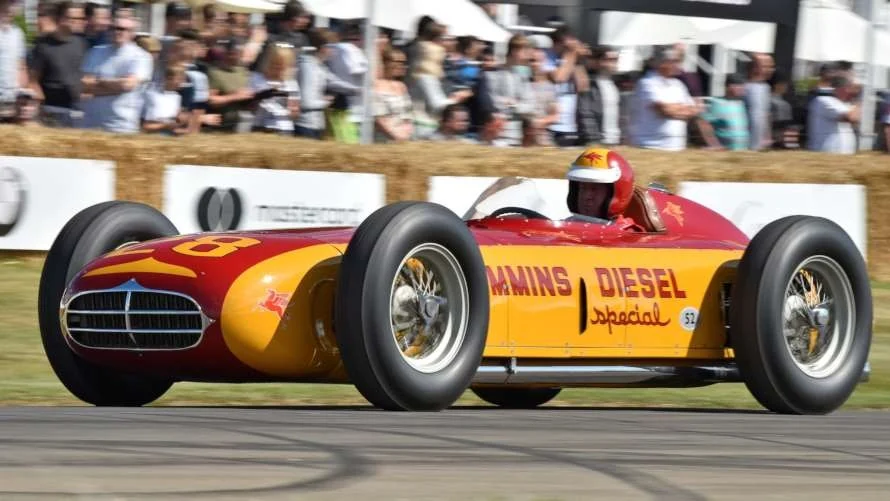
The turbocharged Cummins Diesel Special takes pole position for the Indy 500 – an important moment for turbochargers in motorsport.

1952
Holset is founded in Huddersfield, England. It grows into one of the leading makers of turbochargers for trucks, buses and heavy equipment, and today is part of Cummins.

1954
Garrett AiResearch builds its first production turbocharger – for the Caterpillar D9 tractor. Today Garrett is one of the largest turbocharger makers in the world.
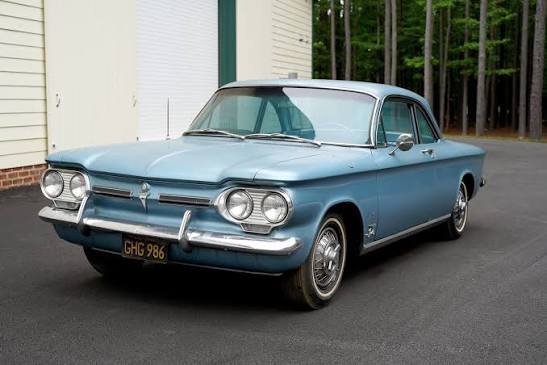
1962
The Oldsmobile Jetfire and Chevrolet Corvair Monza Spyder become the first production passenger cars with a turbocharger.
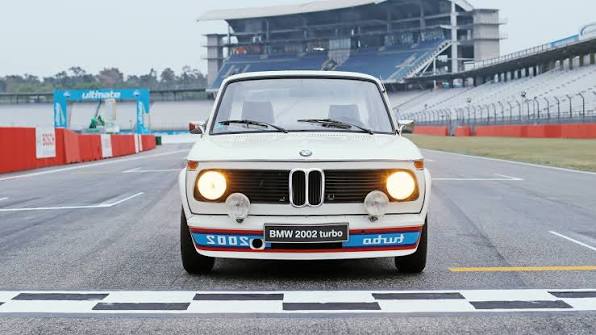
1973
The BMW 2002 turbo becomes the first European production car with a turbocharger.
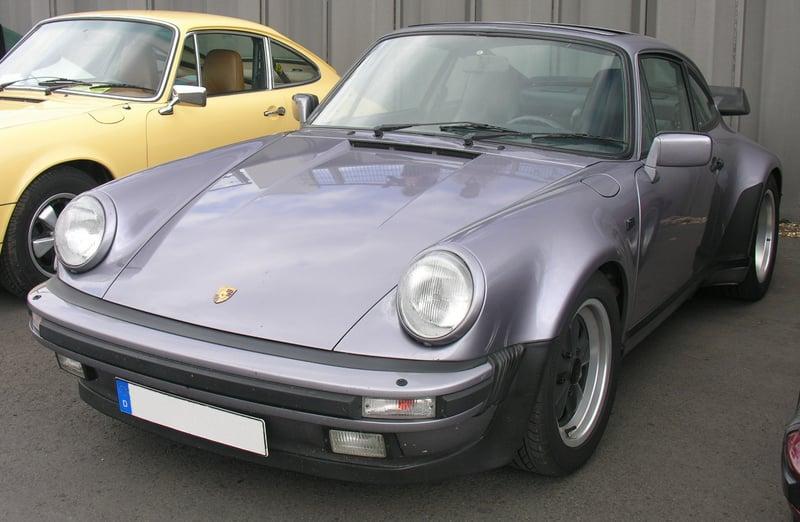
1974
The Porsche 911 Turbo turns the turbocharger into a symbol of the sports car.
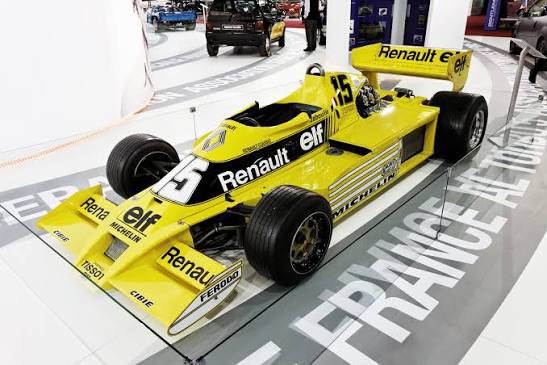
1977
Renault introduces the RS01 – the first turbo-engined car in Formula 1. Just ten years later, the turbo is standard for almost every team.
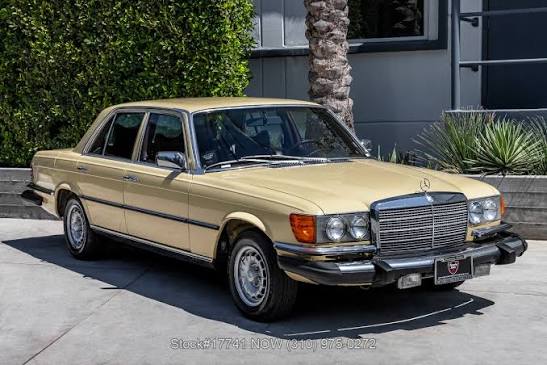
1978
The Mercedes-Benz 300 SD becomes the first production passenger car with a turbodiesel engine.
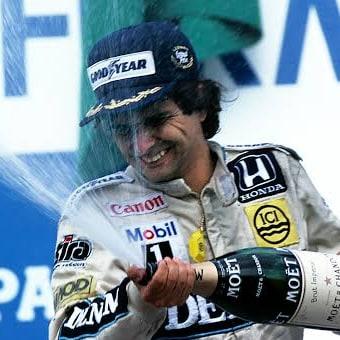
1983
Nelson Piquet and Brabham-BMW become the first Formula 1 world champions with a turbo engine – just six years after the first turbo car.
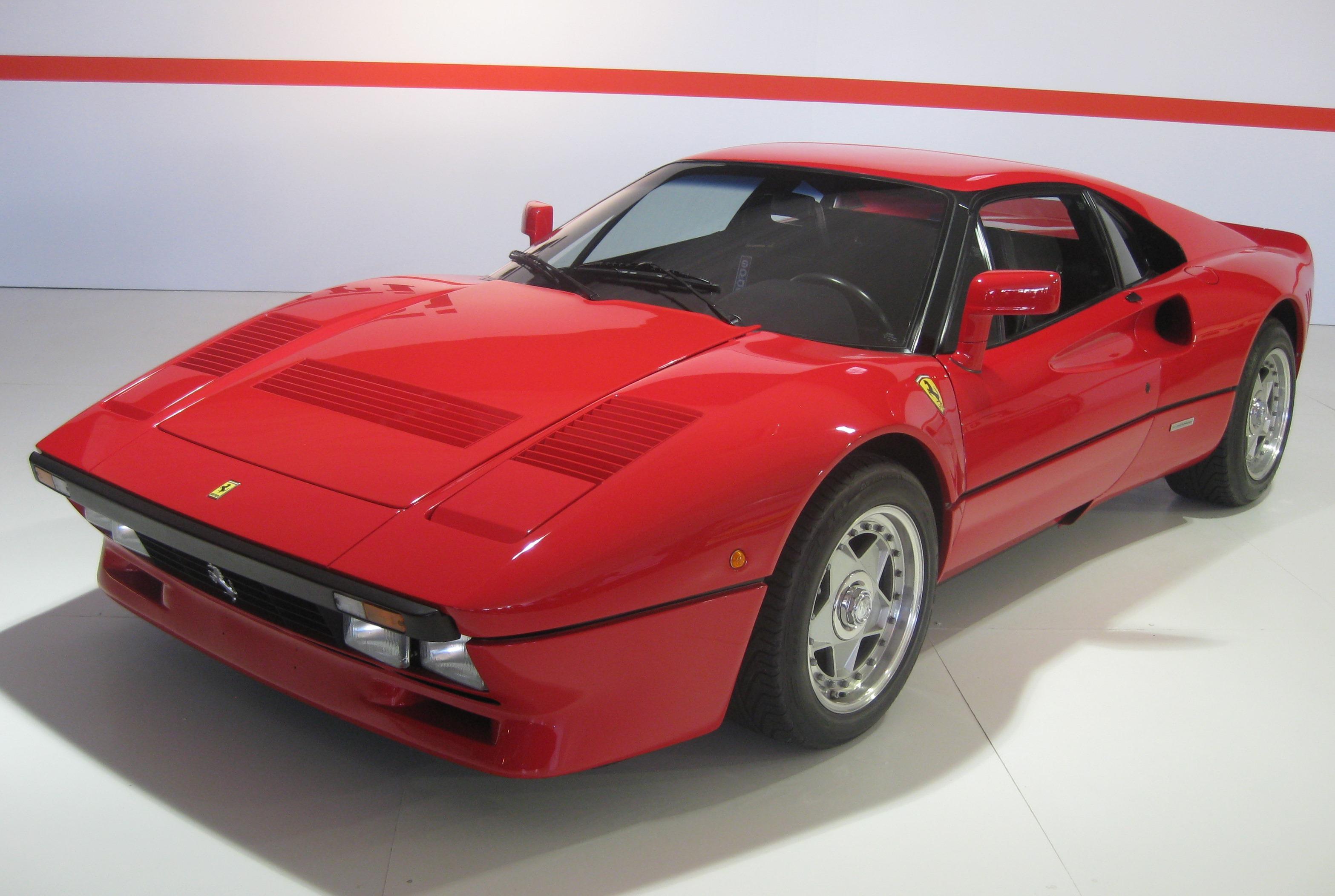
1984
The Ferrari 288 GTO uses a 2.9-litre V8 with two turbochargers. Built for homologation in the Group B racing class, it lays the foundations for a new era of turbocharged Ferrari sports cars.
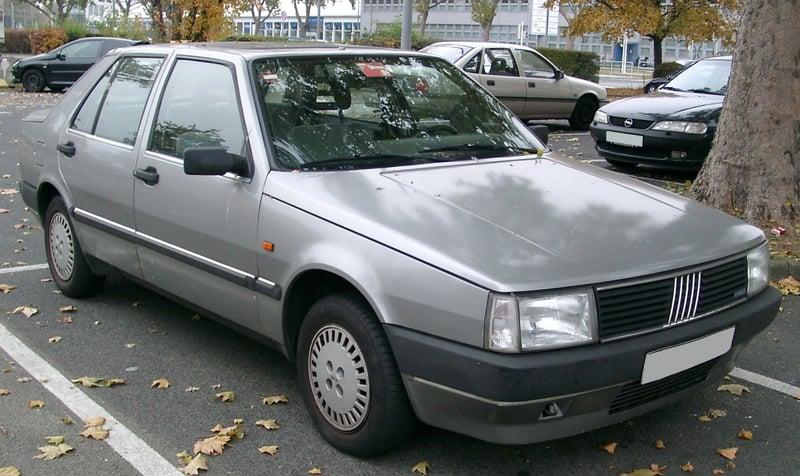
1986
The Fiat Croma 2.0 TD i.d. becomes the first production passenger car with a turbocharged direct-injection diesel engine.
1986
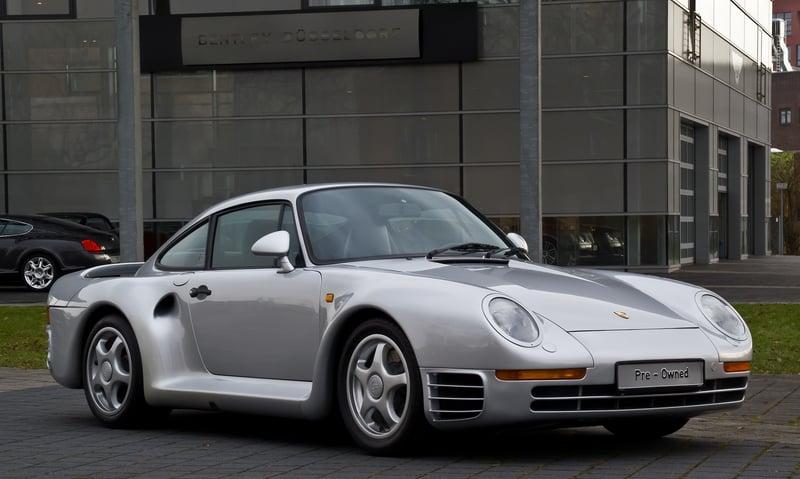
The Porsche 959 brings sequential twin-turbocharging to a production car. The two turbos work in stages to give good response at low revs and high power at high revs.
1988
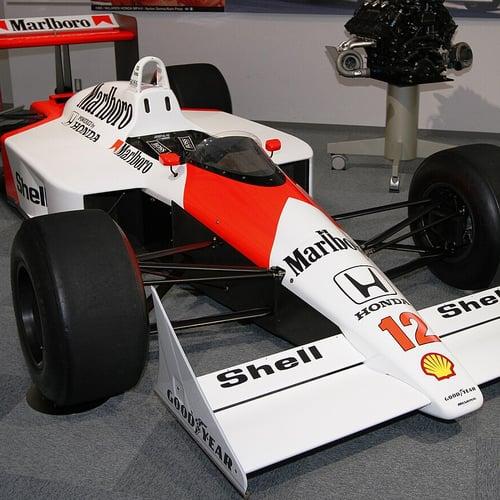
The McLaren-Honda MP4/4 of Ayrton Senna and Alain Prost wins 15 of 16 races – the most dominant season of the turbo era. Afterwards, turbo engines are banned from Formula 1 until 2014.
1989
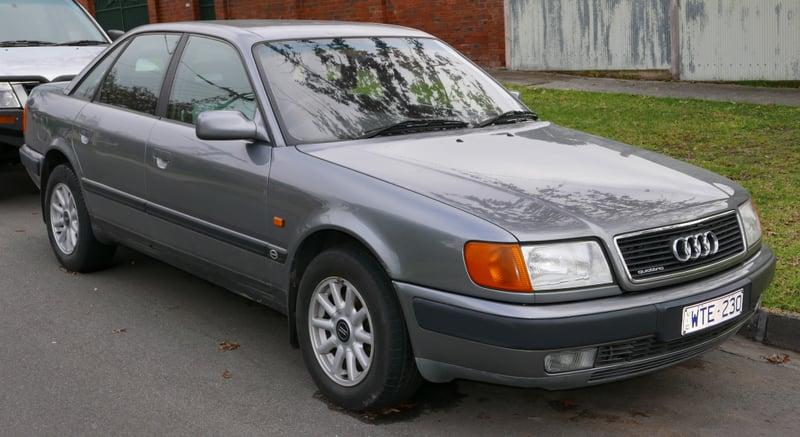
The Audi 100 TDI combines a turbocharger, direct injection and electronic control. It marks the start of the mass adoption of modern TDI diesel engines.
1989
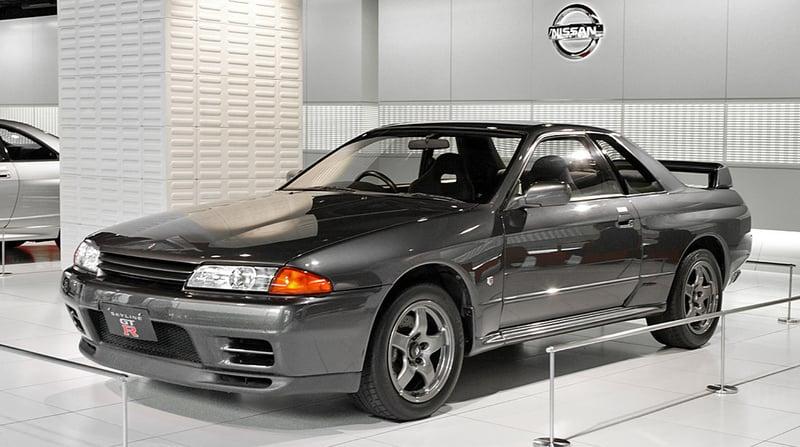
The Nissan Skyline GT-R (R32) debuts with the six-cylinder RB26DETT – a 2.6-litre twin-turbo engine that becomes one of the most iconic Japanese powerplants.
1993
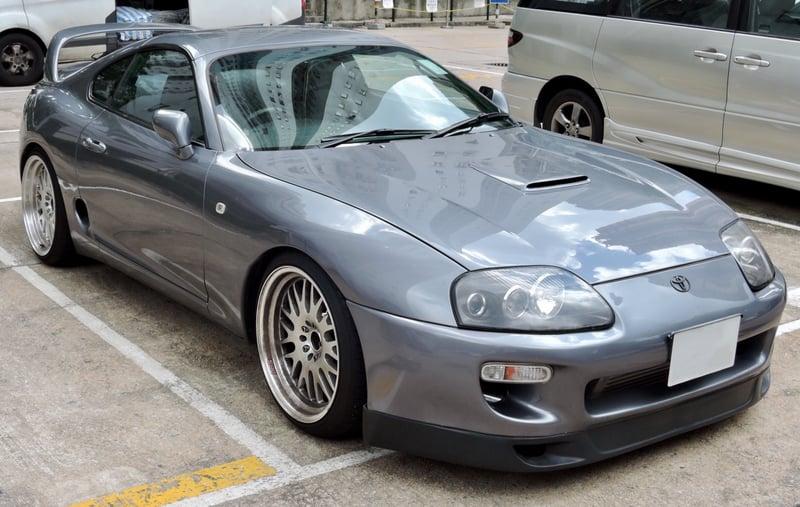
The Toyota Supra A80 debuts with the 2JZ-GTE – a 3.0-litre inline six with two turbochargers that becomes a legend among car enthusiasts.
1995
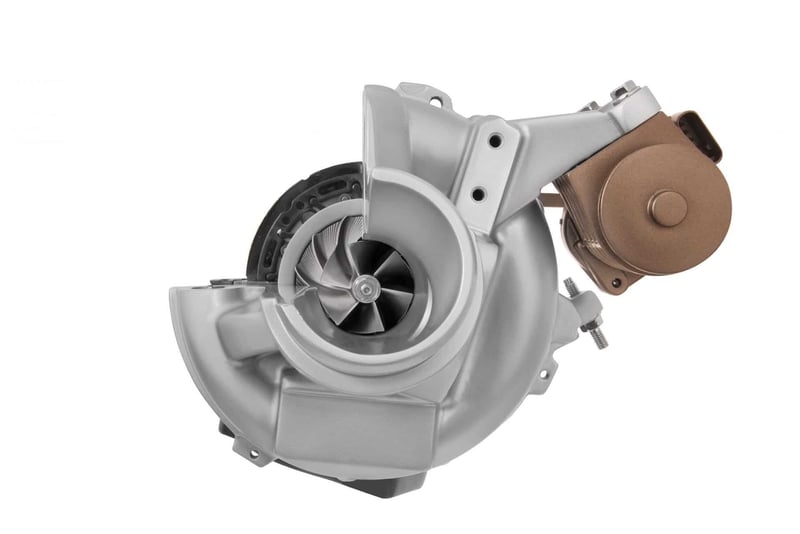
Volkswagen introduces variable-geometry turbochargers across its diesel range. The technology improves response at low revs and allows more torque.
1997
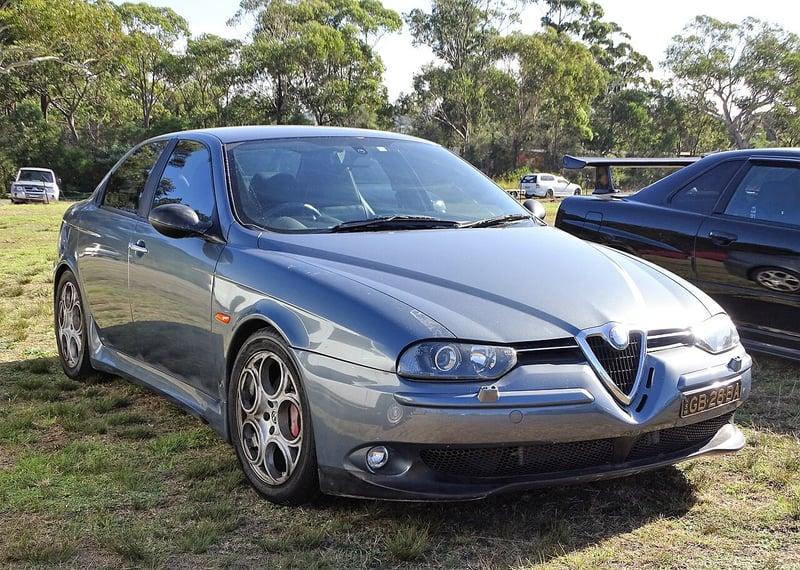
The Alfa Romeo 156 1.9 JTD becomes the first production car with common-rail direct injection. The technology allows more precise fuel control and gradually becomes the diesel standard.
2006
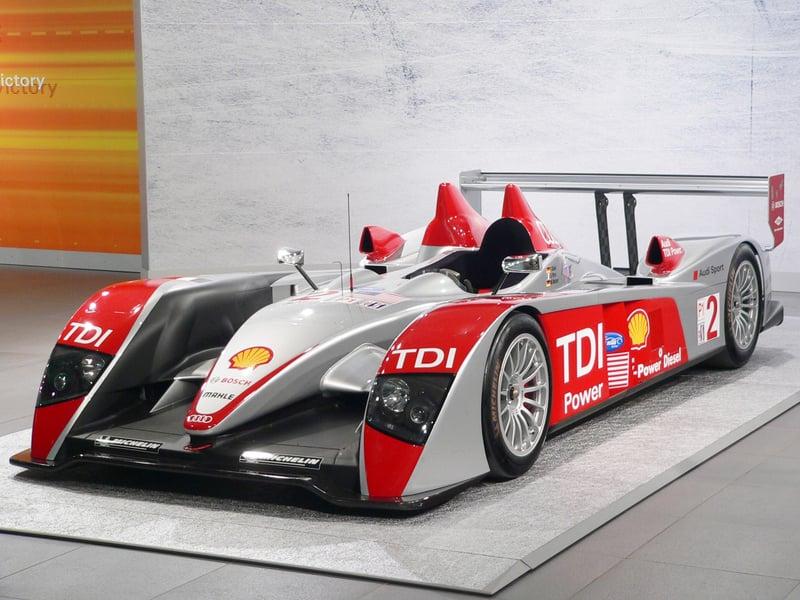
The Audi R10 TDI wins the 24 Hours of Le Mans and becomes the first diesel-powered car to win the legendary race. Its 5.5-litre V12 TDI produces over 650 hp and 1100 Nm.
2006
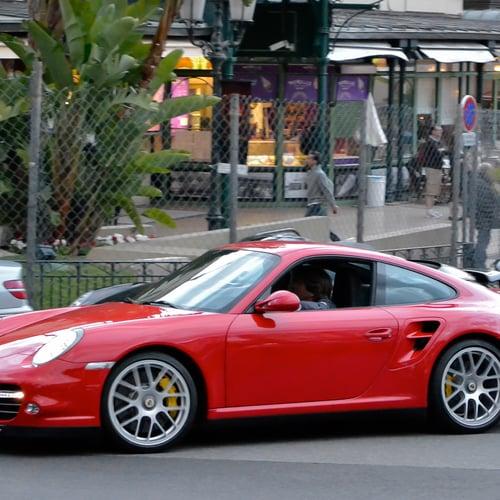
The Porsche 911 Turbo (997) is the first production car with a petrol engine and variable-geometry turbochargers. The technology, until then reserved for diesels, can now withstand the much hotter exhaust gases of a petrol engine.
2014
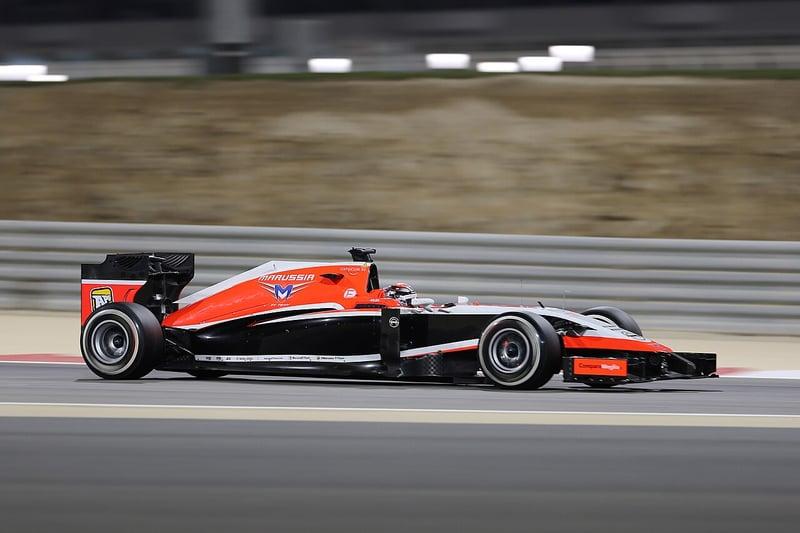
Hybrid power units debut in Formula 1. The MGU-H system recovers energy from the turbocharger and can use an electric motor to help it spin up.
2016
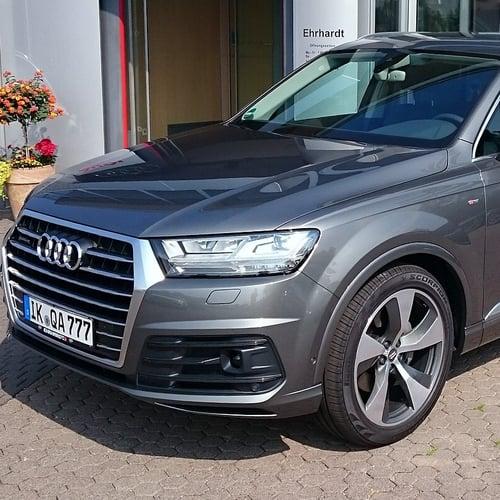
The Audi SQ7 TDI is the first production car with an electrically driven compressor. It helps the two turbochargers while they spool up and almost eliminates turbo lag.
2016
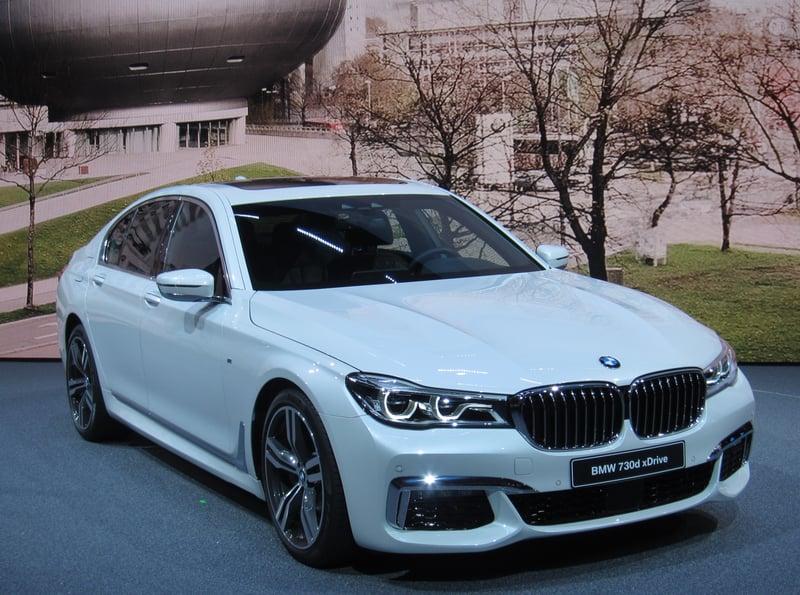
BMW introduces the B57 with four turbochargers in the 750d xDrive. The three-litre six-cylinder diesel produces 400 hp and 760 Nm – a striking example of how complex modern turbo systems have become.
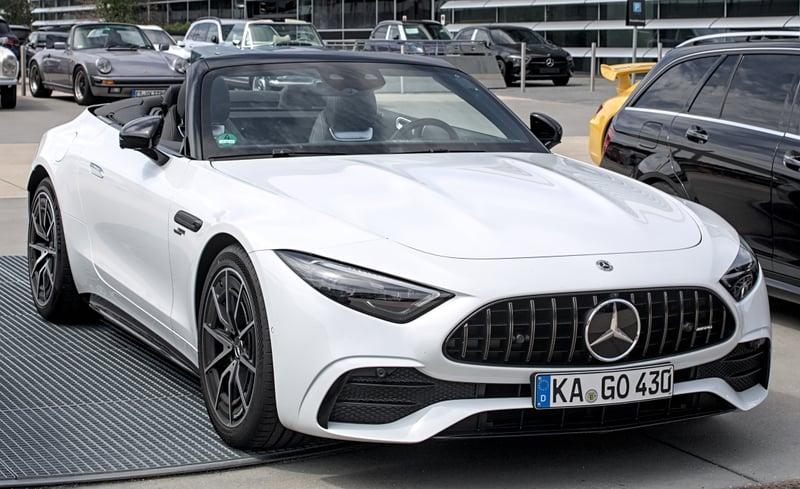
2022
The Mercedes-AMG SL 43 becomes the first production car with an electrically driven turbocharger. The electric motor spins up the turbine shaft and practically eliminates traditional turbo lag.

2026
New Formula 1 rules drop the MGU-H – the generator linked to the turbocharger. Engines become simpler, while the electric side delivers around half of the power.